
If you’ve been a bird parent for years and feel ready to take on a feathered friend that matches your expertise, this article is for you. Today, we’re diving into the 10 best birds for experienced bird owners. These birds are highly intelligent, challenging, and incredibly rewarding companions, but they are not for beginners.
Whether it’s their demanding care requirements, strong personalities, or special diets, these birds thrive best under the guidance of seasoned owners. Let’s explore each bird in detail, focusing on why they are uniquely suited for experienced bird parents.
FREE Training to Stop Your Bird's Biting
Get FREE access to Beak School – the only system designed to train your bird. Stop behavioral problems like biting, screaming, feather plucking.
Get the Free TrainingIf you’re a visual person like me, you might want to watch this list on video instead of read, so here’s a YouTube link you should check out.
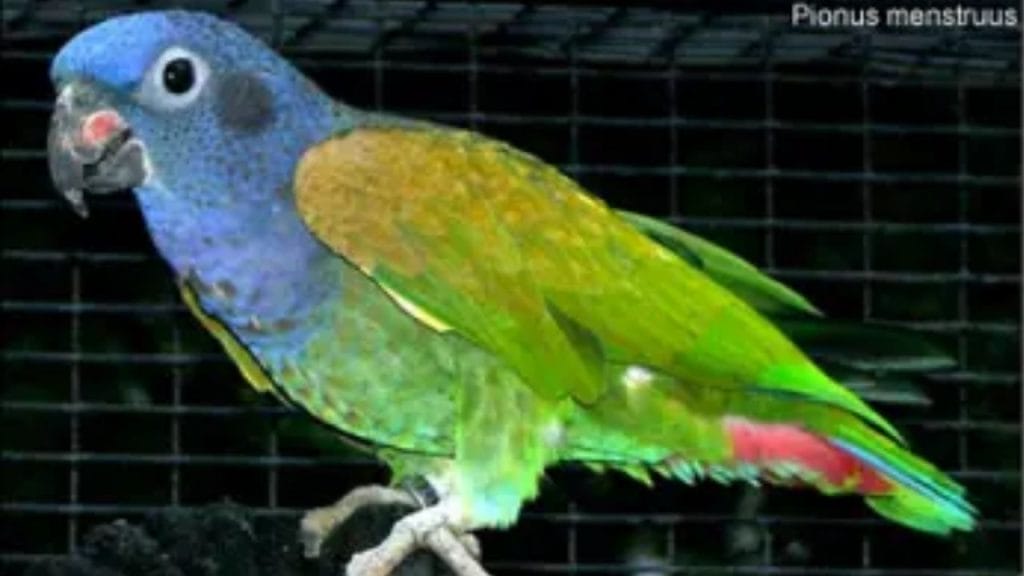
First on our list are Pionus Parrots.
Pionus parrots might seem like calm, easygoing birds at first, but they need an experienced touch. These medium-sized parrots are known for being quiet and shy, but there are layers to their personalities that only come out once you start to interact with them. Beginners might find it hard to understand their uniquely quiet way of bonding.
Unlike cockatiels, cockatoos, and African grays that demand a lot of attention, Pionus parrots need a patient owner who can slowly build trust with them over time.
They enjoy solving puzzles and playing with toys, but they’re equally fine just sitting quietly in their cages. That said, as a pet parent, you have to give them regular interaction and a balanced diet. Without it, they might become nippy and reserved.
Pionus parrots can live 25 to 40 years, so they’re a big commitment to take on. They’re a great fit for people who understand how to balance long-term bird care with other parts of their lives. If you’re looking for a steady, quiet, but meaningful companion, the Pionus Parrot might be perfect for you.
Next up are Eclectus Parrots.
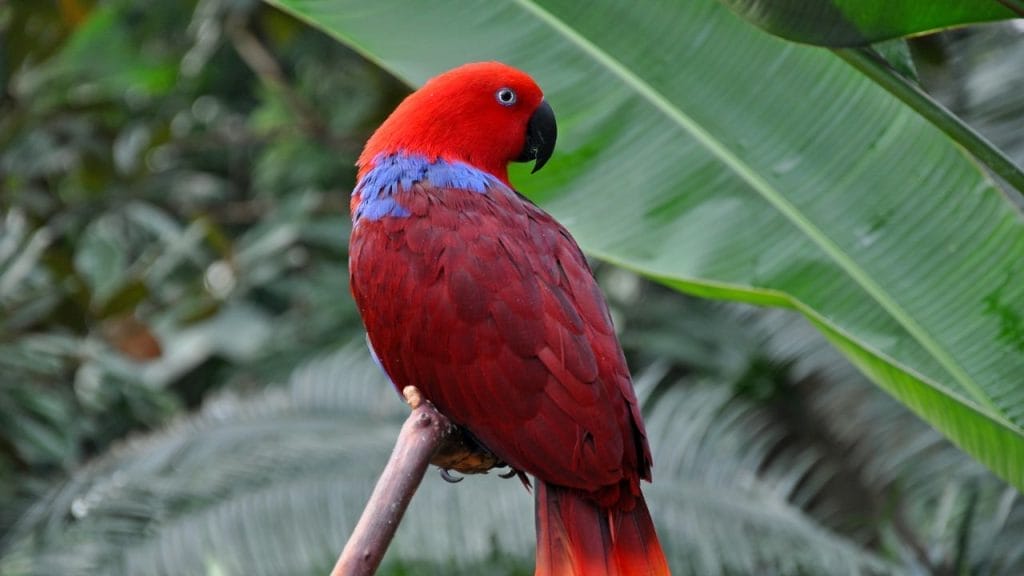
Eclectus parrots are beautiful birds. The males and females come in dramatically different colors. But don’t let their beauty fool you—these birds are not for a first-time bird parent. Eclectus parrots are highly sensitive to their environment and diet, making them one of the most complex species to care for.
Their digestive systems are uniquely designed for fresh fruits, vegetables, and a small amount of pellets. Beginners often struggle to cater to their strict dietary needs and end up causing the birds malnutrition or other health issues. I would never recommend a first timer to take on an Eclectus parrot.
FREE Training to Stop Your Bird's Biting
Get FREE access to Beak School – the only system designed to train your bird. Stop behavioral problems like biting, screaming, feather plucking.
Get the Free TrainingThese birds are deeply intelligent. They need regular puzzles, games, enrichment activities, and social engagement to keep their minds busy and sharp. If you aren’t careful and regular with their playtime and social needs, you might easily end up causing stress-induced behaviors such as feather plucking in them.
With a long lifespan of 30 to 40 years, Eclectus parrots are a perfect match for seasoned owners who are ready to dedicate decades to the care and companionship of these remarkable birds.
Third, we have the playful and energetic Caiques.
Third, we have the playful and energetic Caiques. Caiques are adored for their clownish personalities and boundless energy, but they can be overwhelming for anyone who doesn’t know how to manage a high-energy bird.
These small-to-medium-sized parrots demand constant interaction and thrive on structured play. If you’re new to being a bird parent, you might easily get overwhelmed while trying to match their energy levels or provide them with the consistency they need.
Caiques also require firm, experienced handling. Without proper boundaries and training, they can develop nipping or even aggressive behaviors. Their bold, mischievous nature is endearing to seasoned owners but may frustrate those without a deep understanding of bird behavior.
Their dietary and space needs are relatively straightforward, but their high social demands and strong-willed temperament make them a better fit for owners who have handled challenging birds before. Caiques live for 20–30 years, so they need a dedicated and informed caretaker who thrives on their lively antics.

At number four, we have the colorful and charismatic Conures.
Conures are beloved for their playful and affectionate nature, but their loud, raspy calls and occasional stubbornness make them a poor fit for beginners. These medium-sized parrots are highly social and require daily interaction, which can be overwhelming for someone new to bird care.
Their intelligence allows them to learn tricks and mimic basic sounds, but they can also be destructive if bored. An experienced owner will know how to provide the necessary toys, foraging opportunities, and training to keep them mentally stimulated.
Their noise level is another factor that seasoned owners are better equipped to handle. Beginners might underestimate how disruptive Conures can be, especially in apartment settings. With a lifespan of 10–30 years, depending on the species, Conures thrive with owners who have the patience and expertise to meet their dynamic needs.
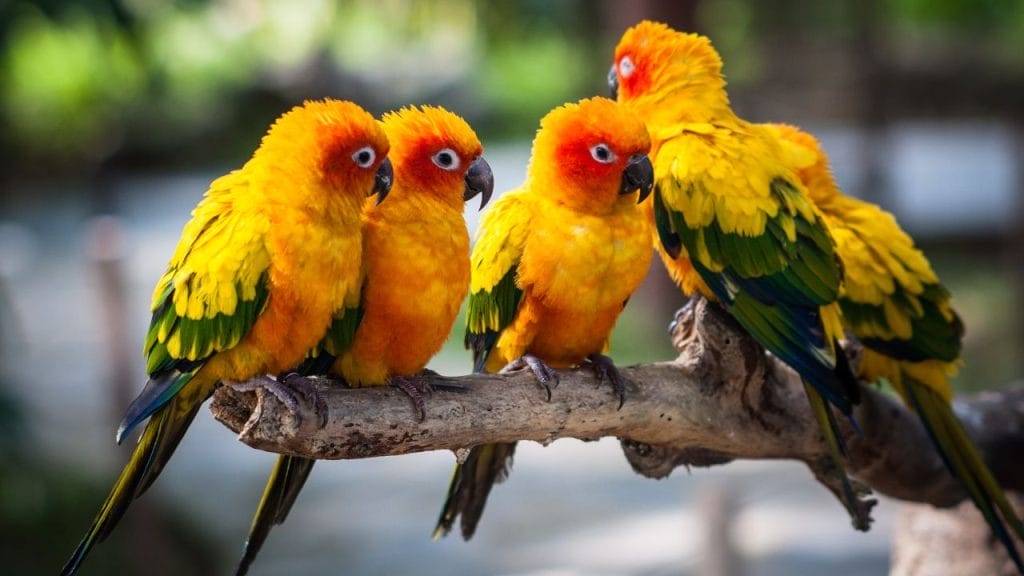
Fifth on our list are Lories and Lorikeets.
Lories and Lorikeets are among the most visually striking birds, but their specialized care makes them unsuitable for beginners. Their diet of nectar and soft fruits is unique among parrots and requires meticulous preparation and cleanup. Without proper care, they can develop digestive issues, and their messy eating habits mean frequent cleaning of their cage and surroundings.
These birds are also highly social and playful, but their territorial tendencies and occasional aggression require a skilled owner who knows how to manage such behaviors. If you’re a first-time bird parent, you might struggle to set boundaries with them or recognize early signs of stress in these birds.
Lories and Lorikeets tend to live for 15-30 years. They are a medium-term commitment that need a deep understanding of their unique dietary and social needs. For seasoned bird lovers, their vibrant colors and energetic personalities make the extra effort worthwhile.
FREE Training to Stop Your Bird's Biting
Get FREE access to Beak School – the only system designed to train your bird. Stop behavioral problems like biting, screaming, feather plucking.
Get the Free Training
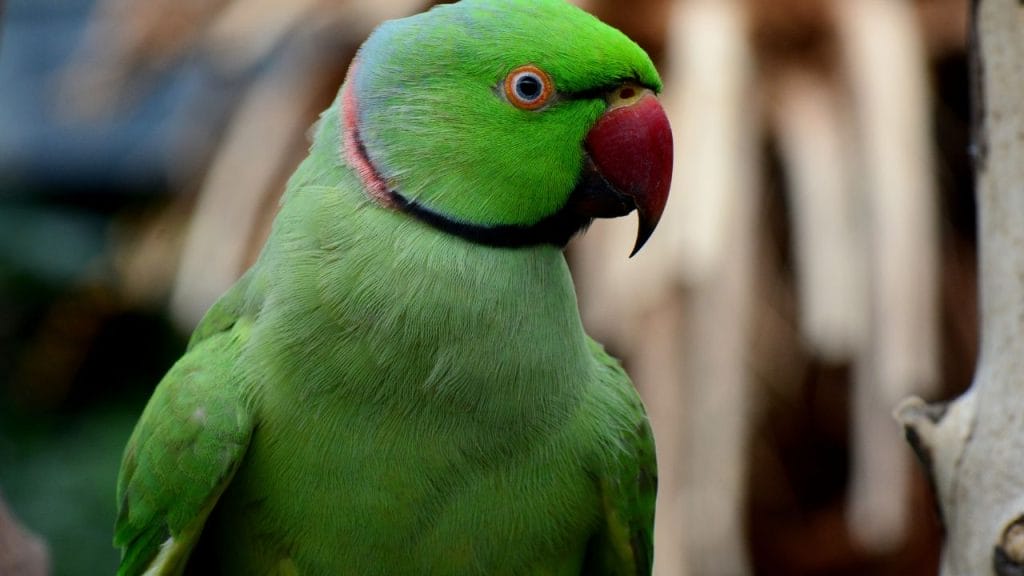
Next, we have Indian Ringneck Parakeets.
Indian Ringnecks are stunningly beautiful and exceptionally intelligent, but their independent nature and occasional aloofness can be challenging for beginners. These medium-sized parrots are known for their clear speech and ability to learn complex phrases, but their intelligence comes with high demands.
Ringnecks require consistent socialization and training to prevent them from becoming shy or even aggressive. A beginner bird parent might misinterpret their independence as disinterest or fail to provide the structure these birds need.
Their care includes a balanced diet, plenty of toys for enrichment, and a spacious cage to accommodate their active lifestyle. With a lifespan of 25–30 years, Indian Ringnecks are best suited for experienced owners who can appreciate their curious and sometimes quirky personalities.
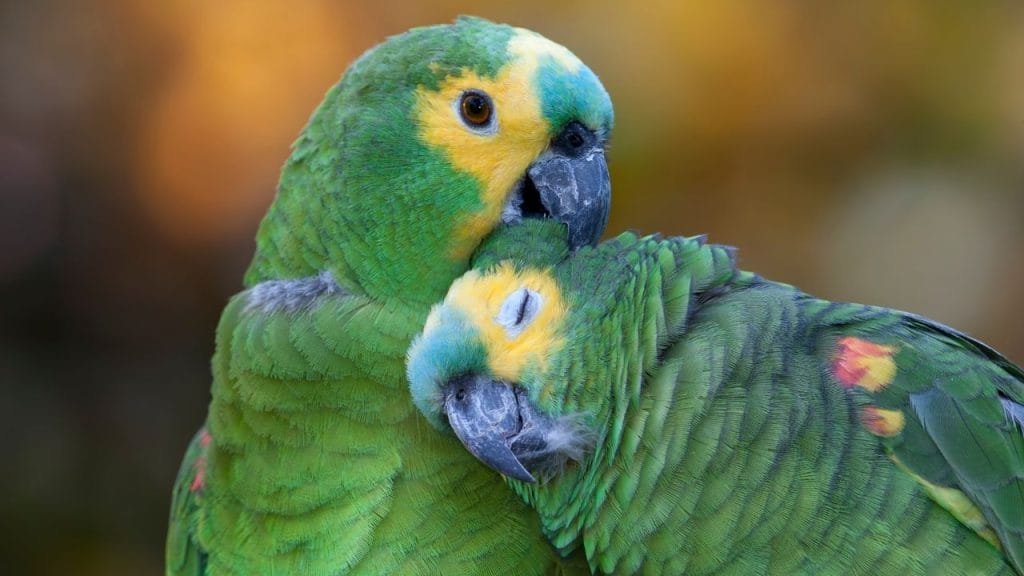
At number seven, we have the bold and vocal Amazon Parrots.
Amazon parrots are charismatic and highly intelligent, but their mood swings and potential for aggression make them a challenging choice. These medium-to-large parrots require confident handling and a deep understanding of bird behavior to manage their strong-willed personalities.
Their care involves a varied diet of fresh fruits, vegetables, and high-quality pellets, as well as a spacious, enriched environment. They are social birds that bond strongly with their owners but can become possessive or temperamental without proper boundaries.
With a lifespan of 30–50 years, Amazon parrots are a lifetime commitment. Their loud vocalizations and complex personalities are best managed by seasoned owners who know how to handle their intensity while fostering their remarkable intelligence.
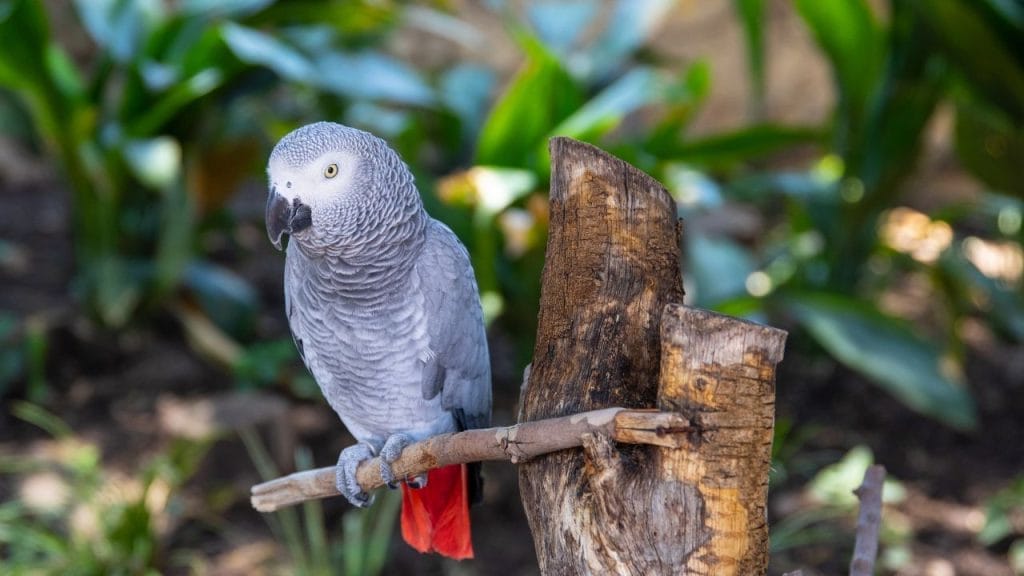
Eighth on our list are African Grey Parrots.
Often considered the most intelligent bird species, African Greys are capable of understanding not only words but context and even human emotions. However, their high intelligence makes them incredibly demanding.
These birds require daily mental stimulation, interactive toys, and a stable environment to prevent stress-induced behaviors like feather plucking. Beginners often struggle to provide the consistency and enrichment African Greys need.
Their space requirements are significant, with a large cage needed to support their medium size and active lifestyle. They also need out-of-cage time for climbing, foraging, and exploring their surroundings. Their sensitivity to changes in their surroundings and strong attachment to their owners make them better suited for experienced bird lovers who understand how to meet their emotional needs. With a lifespan of 40–60 years, African Greys require a long-term commitment from an owner who can match their intellectual depth.
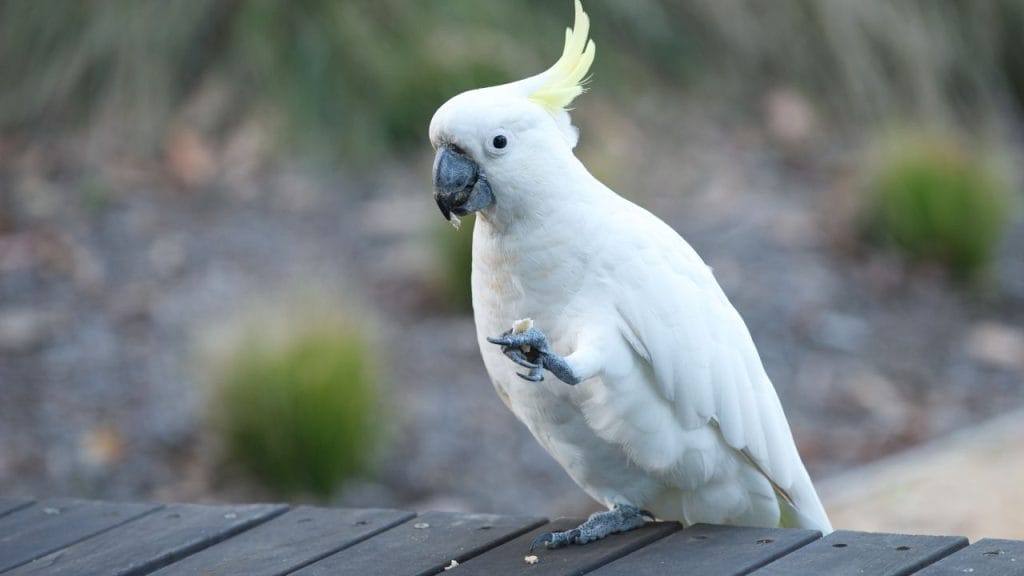
At number nine, we have Cockatoos.
Cockatoos are famous for their affectionate nature, but their intense social needs make them one of the most demanding parrot species. These birds thrive on constant interaction and can develop destructive behaviors like screaming or feather plucking if neglected.
Their care involves daily social engagement, a spacious environment, and a variety of toys to keep them entertained. Cockatoos require large cages to accommodate their active and curious nature, along with a safe space for out-of-cage activities. Beginners might find their neediness overwhelming, while seasoned owners are better equipped to provide the attention they crave.
FREE Training to Stop Your Bird's Biting
Get FREE access to Beak School – the only system designed to train your bird. Stop behavioral problems like biting, screaming, feather plucking.
Get the Free TrainingWith a lifespan of 40–60 years, Cockatoos are best suited for experienced handlers who can dedicate time and energy to maintaining their physical and emotional well-being.
Last but not least, we have Macaws.
Macaws are majestic birds that require extensive resources and knowledge to thrive. Their intelligence and strong personalities mean they need regular training, interactive play, and consistent boundaries.
These large parrots have powerful beaks and can be destructive without appropriate toys and enrichment. Their diet must include a variety of fresh fruits, vegetables, nuts, and high-quality pellets. They also need a massive cage—typically 36 x 48 x 60 inches—and several hours of out-of-cage time daily in a bird-safe room or aviary to stretch their wings and stay active.
With lifespans of 30-50 years or even more, Macaws are a lifetime commitment. Their loud calls and demanding nature make them unsuitable for beginners, but for experienced owners with the space, patience, and dedication, they are truly awe-inspiring companions.

That wraps up our list of the top ten birds for experienced owners!
Each of these species has unique challenges and rewards, but they all require the expertise and commitment of a seasoned handler.

Great list! It’s refreshing to see an article that acknowledges how complex and demanding some bird species can be. Too often, people jump into bird ownership without realizing how intelligent, social, and sometimes challenging these creatures are—especially species like African greys or macaws. These birds need serious time, enrichment, and commitment. Definitely not for beginners! Glad to see the emphasis on experience here. Did anyone else feel a bit called out by their bird’s attitude after reading this?
I totally agree Anna with your comments as a companion of a Yellow Naped Amazon for 43 years who recently passed. Our relationship was very deep and close as the years passed. She understood me better then many of my human friends ever will in her own way. Iam trying to decide on another Amazon or a Grey in the future.